
Brewery Tour in Orange County: The Short-Hop Problem
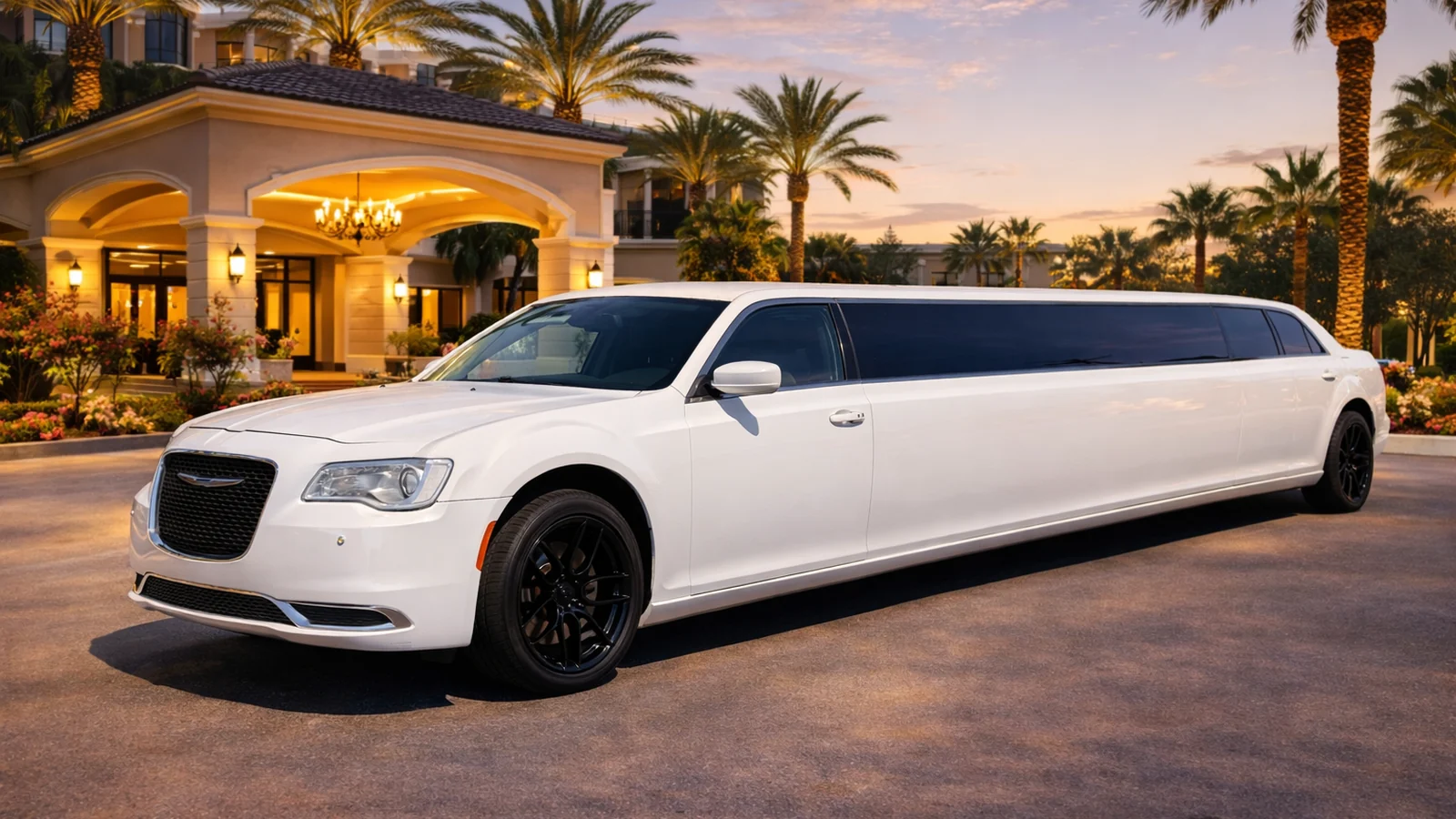
A brewery tour in Orange County is usually three taprooms in one district, booked for a 2pm start and a 9pm end, which is seven hours of vehicle. The driving is short, five to fifteen minutes between stops, so the day is built around parking, walking and headcounts rather than miles.
That is the part first-time groups get wrong. The phone call is usually about venues. Which places are open, how many fit in a day, what happens if we add one more. Venues change. A taproom that poured beer in spring can be a different business by winter. The number of stops does not change, because what a stop takes out of the afternoon is decided at the curb, not at the bar.
Deluxe has driven this county since 2002, out of Stanton. The streets have been rebuilt around us. The pattern has not moved.
A brewery tour is three short drives
A wine day is one long haul with a loop at the far end. The road is the event, and the properties sit inside it. If that is the shape you want, how a Temecula wine tour from Orange County runs lays out the hours.
A brewery day never leaves the county. That reads like the easy version. It is not, and the reason is the hop.
Five to fifteen minutes between doors. That is the longest single drive of the afternoon, and it is short enough that nobody plans for it.
Short enough that it never becomes a journey. Long enough that walking it at 9pm, in the dark, past a loading dock, with a group that has had a few, is a bad idea.
So the day is not measured in miles. It is measured in doors, and every door takes a slice of the afternoon that nobody puts on the schedule:
- The vehicle has to find the entrance, and it is often not a curb. Taprooms sit in industrial parks, in strip centers, behind a gate with a keypad and a code somebody has to look up.
- The driver parks, then moves because a forklift needs the lane.
- The group leaves in waves. One person is still inside hunting for a card.
- The next stop is six minutes away, and everyone has to be loaded again.
A well-run stop still eats ten minutes of standing time. Five stops is nearly an hour of the booking spent stationary. That hour is what turns a five-stop wish list into a three-stop day.
The districts, as geography rather than a list
Four clusters with four different temperaments, and the scene inside them changes every year. Places open, places close. We do not keep a list, and a list written last year is worse than no list at all.
What holds still is the map.
Anaheim spreads out. Two taprooms that look five minutes apart can be fifteen in traffic, and that gap matters when the third stop has a 9pm finish.
Santa Ana is tighter, with older streets and smaller lots. Good on foot. Awkward for a long vehicle hunting somewhere to wait.
Orange is small enough that a group walks between two doors and feels clever, then finds the third is a mile the wrong side of the tracks.
Huntington Beach puts weather and parking inside the day. In summer the crowd has nothing to do with beer.
Pick one district. Two if they touch. Three cities in an afternoon is a drive with drinking in the gaps.
Group bookings are their own question. Many taprooms want the visit arranged ahead, weekends more than weekdays, and each venue sets its own rule on group size and arrival time. That is a call to the taproom. We drive.
Why 2pm beats 7pm
Breweries are not bars. Many open in the afternoon and shut well before the bars do. Hours belong to the venue and shift by day and season, so check them rather than trusting a pattern. The pattern is still the useful part: a brewery day starts earlier and ends earlier than a night out.
Which puts the natural window at 2pm to 9pm.
Four reasons the middle of the day wins.
The room is calmer. Mid-afternoon there is space at the bar and someone behind it with time to explain what is in the glass. Same address at 8pm, different room.
The roads behave. A 2pm run from Anaheim to Orange is not sitting in the thick of the evening build-up. A 7pm run is inside it.
The group lasts. Three stops is a long afternoon from two. It is a long night from seven, and the third stop is where that shows.
The finish is civil. A 9pm drop-off leaves the evening somewhere to go. A midnight drop-off leaves everyone annoyed at the last place that turned them away.
The 6pm start is the request that comes in most often, and it is the one that comes apart. On paper it looks sensible. Then the first stop runs ninety minutes, the second is a fifteen minute hop the wrong way, and the third becomes a negotiation in a parking lot. Two o’clock puts the third taproom on the schedule. Six o’clock puts it on a hope.
Food is a scheduling problem
Many taprooms do not run a full kitchen. Some host a food truck on certain nights. Some let you bring food in, some do not, and the answer can change with the night of the week. It belongs to the venue. Ask for the date you are going, and do not treat last summer’s answer as a standing rule.
The failure looks like this. Three stops, no meal planned. Two o’clock feels fine. By six the room is loud, the group has been living on pretzels, and the mood goes flat in a way that cannot be fixed from the front seat.
If a food truck is part of the plan, put it on the schedule with a time next to it. Trucks keep their own hours and pack up when trade slows. A group that arrives after the shutter comes down orders pizza from a phone in a parking lot.
If you are carrying food, say so when you book. A cooler, a cake box and a stack of plates change the vehicle and the cleanup at the end.
One vehicle, one schedule, one headcount
Brewery rooms get loud. Hard surfaces, high ceilings, six conversations at once. Loud is good until it is time to leave, and then it is why nobody hears the plan.
Groups split. Two people go looking for a bathroom and find a different bar. Someone’s friend appears unannounced. A couple decides the next stop is not for them and stays put.
The discipline is dull and it works. Count heads going in and count heads coming out. If the numbers do not match, the vehicle waits. That is not a threat. It is the only way a five-stop afternoon keeps its shape.
One vehicle, one schedule, one person holding the list.
Two vehicles double every decision. Two counts, two departure times, and two halves of one group texting each other about where to meet. We have watched a group split six and six and spend the afternoon negotiating a reunion.
Give dispatch one mobile number, the organizer’s, and not four. The driver answers one phone, and it should be the one that knows where everybody is.
The person who is not drinking
No lecture. Just look at the job.
On a wine day the driver settles in for an hour of freeway and then waits at a gate. On a brewery day the driver is parking every twelve minutes, in an industrial park, at night, in a lane built for nothing larger than a delivery van. Small decisions, all afternoon.
Then the retrieval problem. Three cars left in three lots across one city, collected the next morning, and at least one lot that locks its gate overnight.
Then the counting, which lands on whoever is not drinking. That person spends the afternoon as the clock, the map and the roll call, and pays for the privilege.
California sets the drinking age at 21, and the Department of Alcoholic Beverage Control enforces it. Inside a chauffeured vehicle the rule applies exactly as it does anywhere else. That is the whole policy, and the rest is arithmetic. One person cannot enjoy the day and also be the schedule.
When the car is the wrong answer
Four questions. If any of them gets a yes, the vehicle is probably not the booking.
Can everyone walk to all three stops? Then walk. If the whole route fits inside four blocks, a car is a coat rack with an engine. Book a ride home instead.
Is it two people and one taproom? Take a rideshare to the door and one home again. Four hours of vehicle for two people in one room is a poor use of a Saturday. We will still answer the phone next time.
Is the night the point? Breweries wind down earlier than bars. If the plan runs to midnight, book the vehicle for the night you are actually having and leave the taproom circuit out of it.
Has nobody picked a district? Ten people, ten places in mind, four cities. That is not a tour, it is a committee. Settle the district, then book.
Book the short hops
Call (714) 313-9173 with the date, the district you are leaning toward and how many are coming. Dispatch answers 24 hours a day, and we cover 24 cities across Orange County.
If the open question is the vehicle, read which limo your group actually needs first. A party bus suits a loud group that wants to stand and move between stops. A Sprinter limo suits a group that came to talk, and it is easier at tight curbs and in industrial parking. If the shape of the booking is still unclear, the hourly structure behind a limo quote in Orange County is worth five minutes. No figure appears in this post, because the figure depends on the date.
Packages of five hours or more include the first hour.
Prefer to write it down? Use the contact page and send the date, the district and the first pickup address. Dispatch will say plainly whether your day fits before 9pm.
Frequently Asked Questions
Five to seven hours is the usual booking, built around a 2pm start and a 9pm end. The driving is short, five to fifteen minutes between stops, so the length of the day is set by how many doors you open, not by distance. Three taprooms and a meal fit without hurrying anyone.
Three is realistic. Four works if they sit inside one district and you keep the meal simple. Five is a car ride with beer in the gaps, because every stop costs ten minutes of parking, walking and counting heads before anyone orders.
Two in the afternoon is the natural start, with a 9pm finish. Breweries open earlier and close earlier than bars, so a midday start reaches every room while it is still open and still calm. A 6pm start turns the third stop into a maybe.
Ask the venue for your date. Many taprooms do not run a full kitchen, some host a food truck on certain nights, and some allow outside food. None of those rules are universal, and they can change week to week. Tell dispatch what you are carrying, because a cooler and a cake change the vehicle.
A party bus suits a loud group that wants to stand and move between stops. A Sprinter suits a group that wants to hold a conversation, and it is easier at tight curbs and in industrial parking. Send dispatch your headcount and read our vehicle sizing guide before you decide.
Yes, if the districts touch. Anaheim, Santa Ana, Orange and Huntington Beach each hold a cluster of their own, and two clusters in one afternoon is mostly driving. Three cities is not a tour. Every taproom also sets its own rule on group bookings, so call the venues for your date before you book the car.