
Graduation Limo Service Orange County: Two Bookings, Not One
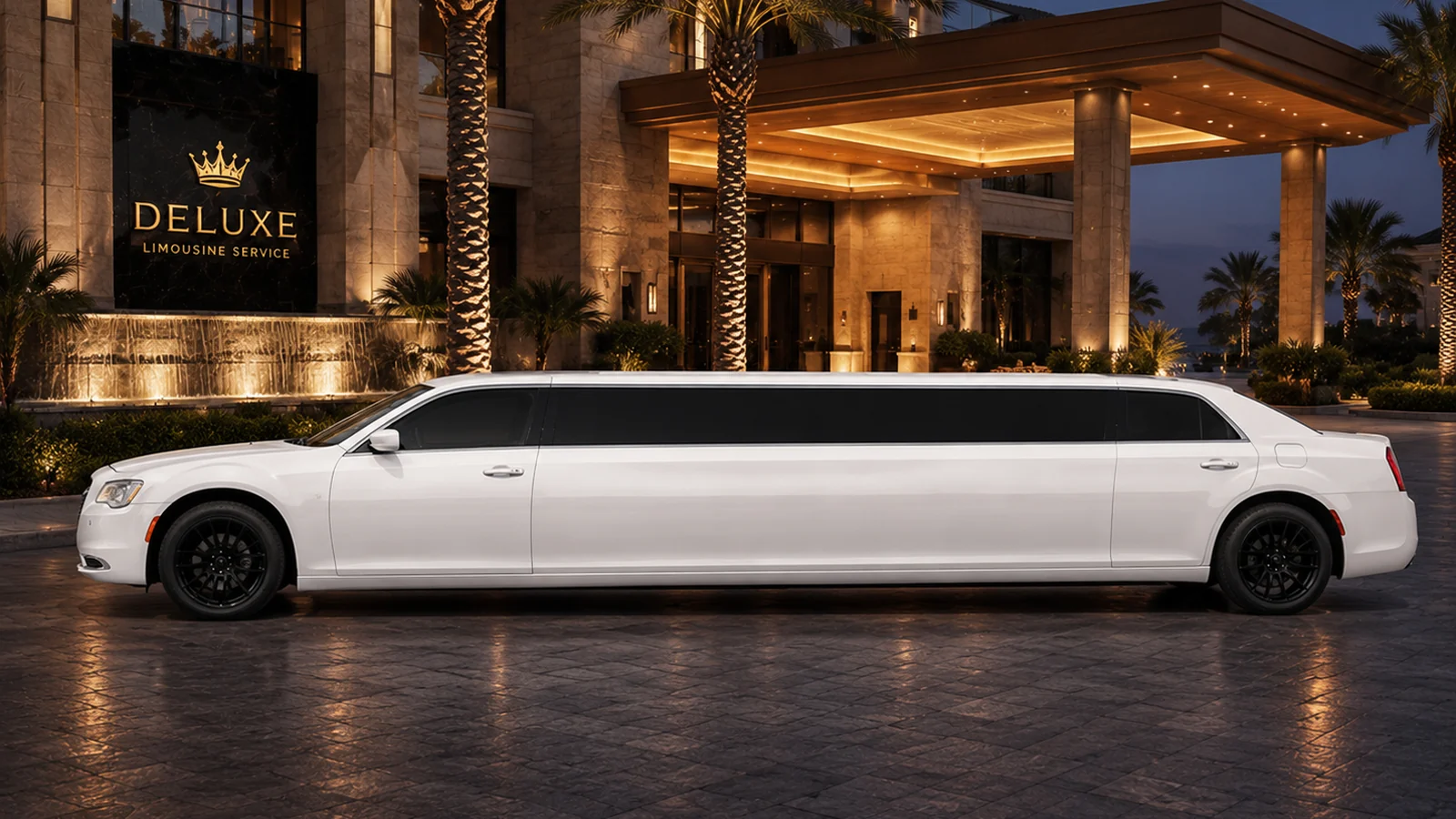
Graduation in Orange County is two bookings, not one. The ceremony run is a short daytime job across two or three family addresses. The grad night is long, late, and needs a different vehicle, a different end time and different questions. Reserve both at once and neither one is left to June.
The call that starts in spring
The graduation calls arrive in March and April, and they open the same way. A parent needs a limo for graduation.
Then dispatch asks a question that stops the call for a second. For the ceremony, or for after?
Two different jobs. The ceremony is a weekday morning, a gown, grandparents, and a campus with one exit. The grad night is 10pm, a group of teenagers, and an end time renegotiated at 11:45pm by people who are not in the car.
Two runs, two jobs
The split we use on the phone.
| What changes | Ceremony run | Grad night |
|---|---|---|
| When it happens | Weekday morning or early afternoon, late May or early June. Gates usually open about an hour before the procession. | Same night, usually 8pm or later, ending somewhere between midnight and early morning. Some schools run theirs the following week. |
| How long | Two to four hours, most of it waiting in a legal spot off campus. | Six to ten hours. The vehicle is the base for the night, not a lift between two places. |
| Who is in the vehicle | The graduate, parents, often grandparents, a younger sibling. Two or three households, two or three addresses. | The graduates. Sometimes one parent. Often no adult in the cabin. |
| What goes wrong | Arriving after the procession forms. A car stuck in a lane it cannot leave. Grandparents walking a quarter mile in the heat. | An end time nobody wrote down. A plan that changes at 9pm, with a vehicle booked behind yours. |
| What to book | Something that parks legally and holds the family. | Something people can sit in for hours, with a hard end time. |
Sizing is a headcount question, and the vehicle sizing guide covers it. Do not book either run on the number of people who say yes in April. Some of them will change their answer.
Two or three families, one vehicle
Sharing a car across three households works, but the two runs split differently.
For the ceremony, the money is the awkward part. Split by graduate household rather than by head, because the car was booked for the group, and counting heads at a reception is a poor use of the day. One household books and holds the reservation. The others settle with that household, not with the operator.
For the grad night, the awkward part is not money. It is who answers the phone at 1am. That person is usually not the one who booked the ceremony, and it should not be the graduate. One name, one number on the reservation, and dispatch calls that number.
Two things break this. A group chat is not a contact, because dispatch cannot ring a group chat. And three parents each calling to move the pickup produces three instructions, one car, and a clock that is already running.
Pickup order still applies. Somebody is last, and that family rides 25 minutes before the ceremony. If the graduates are at different schools, that is two ceremony runs, not one clever route.
The photo window
After the recessional, the day stops being scheduled and starts being photographed.
The graduate finds the family, then grandparents, then the group shot, then the one on the lawn with caps in the air. In our experience forty minutes is typical and an hour happens.
Which is why the car cannot sit in the discharge lane. At a commencement that lane is a moving line, and staff wave cars through to keep one gate working. A car holding position for forty minutes blocks the exit behind it, gets moved along, and then your family is looking for a vehicle that is no longer where they left it. A dance-night loop at a venue is a different situation, and a car can often wait there. A commencement gate is not.
The workable version is a legal waiting spot a few minutes away and one person who texts when the photos are nearly done. The car comes back, loads, and leaves. A Sprinter limo is easier to park and easier for grandparents to step into than a low stretch.
Parking at a ceremony, as arithmetic
No pitch. Just the count.
Take a ceremony with 400 graduates and two guests each. That is 1,200 people. At two and a half people per car, that is 480 cars. The figures are deliberately round, and a school with a smaller class changes the total without changing the shape of the morning.
Most campus lots were sized for staff and student parking on an ordinary school day, not for 1,200 people arriving inside one hour. The overflow lands on the streets around the school.
Gates usually open about an hour before the procession. Arrive thirty minutes early and you are behind the first wave, walking in from a side street. In a gown. On a morning already warm by 10am. Grandparents make that walk once and remember it.
Then the exit. One gate, 480 cars, everyone leaving inside the same twenty minutes. That is when the driveway stops moving.
A chauffeured car does not create a parking space, and it does not shorten a 480-car queue by any amount worth claiming. It takes your family out of it. No circling, no side street, no walk, no waiting in the exit line with the engine off. That is the whole argument. It is smaller than most operators make it sound, and it is the reason people call.
The grad night questions parents ask
Four come up on nearly every grad night call, and they are the right four.
What time does it actually end?
The end time on the booking and the time the last graduate walks through their front door are different numbers. On the runs we handle, most grad nights finish between midnight and 3am, and some go until morning. Then add the drops: three addresses after a 1am pickup can add 45 minutes or more. Write down both times, and decide which one you are booking.
Who is supervising?
The chauffeur drives. That is the job, and a chauffeur is not a chaperone. If no parent rides, the cabin is a group of teenagers without adult supervision, and the operator’s responsibility is the vehicle and the road. Many grad nights are alcohol free by design, often run by parents or by the school at a venue. Ask what happens in the car, not only at the party.
Who else is in the vehicle?
The group list grows in June. A friend, a cousin, a plus one nobody mentioned. Give dispatch the final count a week out. If it changes after that, call. Do not add a person at the curb, because the answer may be no, and hearing that at 9pm is worse than hearing it on Tuesday.
What happens if the plan changes at 9pm?
It will. The venue empties early, the group wants a different diner, the after party moves. The reservation is a window of hours, so extra stops come out of it. A later end time depends on whether the vehicle has another booking behind yours, and in late May it often does. Call dispatch when the plan changes, not at the end time.
One fact, plainly. The legal drinking age in California is 21, and it applies inside the vehicle. Operators set their own policies on top of the law, so ask yours, and get the answer before the deposit.
The clock nobody is watching
Ceremonies run late more often than the printed program suggests. Speeches run long. A name gets mispronounced and the crowd laughs. Someone faints in the third row and the line stops. Twenty to forty minutes over is common, and it is not a crisis.
The trouble is that nobody in the family is watching the meter. The car is reserved from a time, not for a duration, so those extra minutes come out of the hours on the paperwork, quietly, while everyone is on the lawn taking photographs.
That lands differently on a two-booking day. If the ceremony runs forty minutes long and the grad night is the same vehicle, the gap between the runs is where the delay goes. If it is a different vehicle, the delay goes onto the end of the evening instead, and the end of the evening is the part with a hard stop.
The fix is boring and it is the same on both runs. Give the operator the time you want the car back, not the time printed on the program. If the ceremony is running late, call dispatch at the recessional rather than at the end of the booking.
When a shuttle beats a limo
Sometimes the answer is not a limo, and it is better to say so in April.
Forty graduates going from one campus to one grad night is a shuttle problem. Forty people, one origin, one destination, one departure window. Nobody needs a lounge on wheels for a 20-minute run, and nobody wants three cars arriving twenty minutes apart after losing each other at a light.
That is a shuttle van service conversation: repeated trips, or a coordinated set of vehicles with one plan and one dispatcher. Some schools run their own grad night transport, and the family’s job becomes the trip to the pickup point. If yours does, ask about the drop-off window before booking anything.
A limo or party bus is for one group that stays together all night. A shuttle is for a crowd that does not. Getting that wrong is how a school ends up spread across three freeway exits.
Districts and venues set their own rules on drop-off, idling and lot access after dark. Ask the school before you book, and get it in writing if the first answer came from a voicemail.
Book the two runs together
Call (714) 313-9173 with the ceremony time and the grad night end time. Dispatch runs 24 hours, operating out of Stanton since 2002, and we cover 24 Orange County cities, from Anaheim and Irvine to Newport Beach and the south county.
If you would rather write it down, send the details through the contact page and include the addresses, the headcount and who the contact is at 11pm.
On featured packages of five hours or more, the first hour is free. A standing policy, and it lands on the grad night more often than on the ceremony.
Frequently Asked Questions
Six to ten weeks before the ceremony. Dates are published early, but in our booking pattern the last two weekends of May and the first two of June go first. A late booking usually means a different vehicle, not a different date.
Yes, and most ceremony runs we handle are shared. Two or three families, two or three addresses, one vehicle. Decide who books, how the cost splits, and which number dispatch calls if the plan changes, before you pay the deposit.
Twenty to thirty minutes before you want to leave the house, earlier with several pickups. Work backwards from the procession time: the drive, the walk from parking, and thirty minutes of cushion for gates and seating.
As late as the booking says, and the end time belongs in writing. On the runs we handle, most finish between midnight and 3am, and some go until morning. Extending past the reserved time depends on whether the vehicle is booked again.
It depends which run. The ceremony needs something that holds the family and can wait legally off campus. The grad night needs space to sit in for hours. Size it by headcount with the sizing guide, then pick the vehicle.
Yes. A school group is usually a shuttle and charter conversation rather than one limo, because the group is larger than one vehicle and everyone leaves at once. Call dispatch with the headcount, the addresses and the end time.